
It happens in a split second. Someone bites into a hard candy, knocks a tooth on a water fountain, or just notices one morning that a front tooth has a tiny chip that wasn’t there before. Suddenly, every photo feels like a reminder of that flaw.
At Kildaire Family & Cosmetic Dentistry, we see this all the time. And most of these small imperfections don’t need major work. They need dental bonding, the one-visit fix for chips.
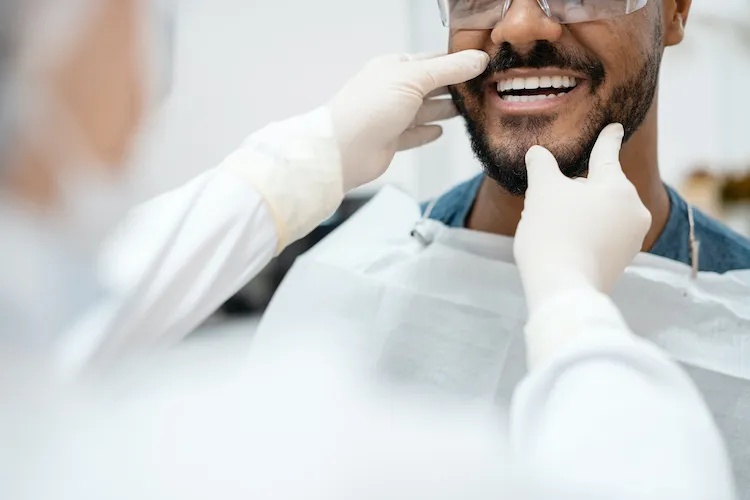
What Is Dental Bonding?
Bonding is one of the simplest cosmetic treatments we offer. We use a tooth-colored resin material that matches the shade of your natural teeth. We apply it directly to the tooth, shape it to fix the problem, and harden it with a special light. Once it’s polished, the repair blends right in.
It usually takes one visit. No lab. No temporary restorations. And no waiting weeks for a custom piece to come back. Patients could walk in with a chip and walk out with a smooth, complete smile.
What Bonding Can Fix
Bonding handles many small issues. Here are the most common ones we treat:
- Chipped teeth, especially on the front
- Small gaps between teeth
- Teeth that look a little too short or uneven
- Minor stains that whitening can’t lift
- Exposed roots from receding gums
- Small cavities, in some cases
If a patient has one or two problem spots, bonding is often the fastest, most affordable way to fix them.
Bonding vs. Veneers
Both could improve the look of front teeth, but they’re different tools for different jobs.
Veneers are custom-made porcelain shells. They cover the entire front surface of the tooth. They’re excellent for bigger transformations, like reshaping multiple teeth or fixing major discoloration. They last 10 to 15 years, but they cost more and take a few visits.
Bonding is applied directly and shaped by hand. It’s ideal for small fixes. It costs less and gets done in one appointment. It typically lasts five to seven years before it needs a touch-up or replacement.
Neither option is better. They just fit different situations. We walk through both with every patient so they can choose what makes sense for their smile and their budget.
What to Expect During Bonding at Kildaire Family & Cosmetic Dentistry
Here’s the step-by-step for a bonding visit.
- Shade matching: We pick a resin color that blends with your natural teeth. If you’re planning whitening later, we’ll talk about timing so the bonding still matches afterward.
- Preparation: In most cases, no drilling is needed. We may lightly roughen the surface so the resin grips well. Patients usually don’t need numbing for this.
- Application: We apply the resin in thin layers, shaping it as we go. A special curing light hardens each layer.
- Shaping and polishing: Once the material is built up, we trim and smooth it until it feels natural and fits your bite. The final polish gives it a shine that matches your enamel.
The whole thing usually takes 30 minutes to an hour per tooth.
Caring for Bonded Teeth
Bonding is strong, but it’s not invincible. Here are a few simple habits that help it last:
- Avoid biting into hard things like ice, pens, or nutshells
- Don’t pick at the edges with your fingernails
- Keep up with brushing and flossing
- Come in for regular checkups so we can spot any wear early
Coffee, tea, and red wine can stain the resin over time, just like natural teeth. Regular cleanings help keep it looking fresh.
Is Bonding Right for You?
If a chip or gap has been bothering you, bonding might be the easiest fix you’ve ever had. It’s quick, affordable, and looks completely natural.
Call our Cary, NC, dental office or request an appointment online. We’re right here serving our neighbors from Holly Springs, Apex, and beyond. Let’s smooth out that smile.